
Crafting a Calorie-Balanced Meal Plan: Your Guide to an 1800 Calorie Meal Plan for Weight Loss

Updated: May 19
Embarking on a weight loss journey can feel like navigating a maze. You want to eat well, feel satisfied, and still shed those pounds without starving yourself or spending hours in the kitchen. That’s where a calorie-balanced meal plan comes in. It’s like having a roadmap that guides you through your meals, making sure you get the right fuel without the guesswork. Today, I’m excited to share how you can craft an 1800 calorie meal plan for weight loss that’s not only effective but also enjoyable and sustainable.
Why a Calorie-Balanced Meal Plan Matters
When it comes to losing weight, calories are king. But it’s not just about cutting calories; it’s about balancing them with the right nutrients. A calorie-balanced meal plan ensures you get enough protein, healthy fats, and carbs to keep your energy up and your hunger down. Think of it as building a strong foundation for your body to burn fat efficiently while preserving muscle.
Here’s why this approach works:
Sustained energy: Balanced meals prevent those energy crashes that make you reach for unhealthy snacks.
Muscle preservation: Adequate protein helps maintain lean muscle, which boosts metabolism.
Better mood and focus: Nutrient-rich foods support brain health and emotional well-being.
Long-term success: It’s easier to stick with a plan that feels satisfying and varied.
By focusing on balance, you’re not just dieting—you’re nourishing your body in a way that supports lasting change.
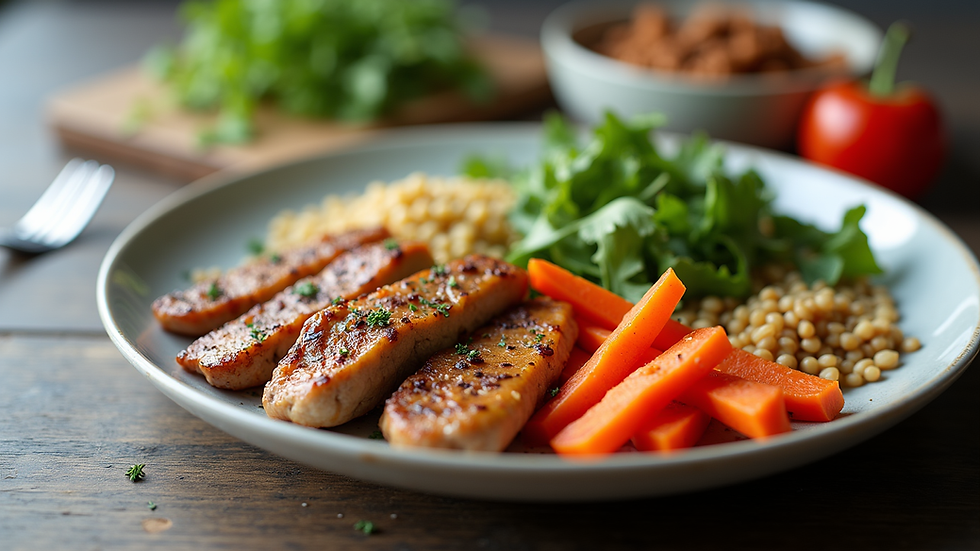
How to Build Your Calorie-Balanced Meal Plan
Creating a calorie-balanced meal plan might sound complicated, but it’s really about simple steps and smart choices. Here’s how I break it down:
1. Calculate Your Calories
For many women aiming to lose weight sustainably, 1800 calories per day is a great starting point. It’s enough to fuel your body without creating a huge deficit that leaves you feeling deprived. Of course, individual needs vary, but this is a solid baseline.
2. Divide Your Macros
A balanced plan typically includes:
Protein: 25-30% of your calories (about 112-135 grams)
Carbohydrates: 40-50% of your calories (about 180-225 grams)
Fats: 20-30% of your calories (about 40-60 grams)
Protein is your best friend here—it keeps you full and supports muscle tone. Carbs provide energy, especially from whole grains and veggies, while healthy fats keep your hormones happy.
3. Plan Your Meals and Snacks
Aim for three main meals and two snacks. This keeps your metabolism humming and prevents overeating later. Here’s a sample breakdown:
Breakfast: 400 calories
Lunch: 500 calories
Dinner: 600 calories
Snacks: 150-200 calories each
4. Choose Whole, Nutrient-Dense Foods
Focus on foods that pack a nutritional punch without empty calories:
Lean proteins: chicken breast, turkey, tofu, fish, eggs
Whole grains: quinoa, brown rice, oats, whole wheat bread
Vegetables: leafy greens, broccoli, peppers, carrots
Fruits: berries, apples, oranges
Healthy fats: avocado, nuts, seeds, olive oil
5. Stay Hydrated and Mindful
Water is essential for metabolism and appetite control. Also, eat mindfully—slow down, savor your food, and listen to your hunger cues.
What is the 3 3 3 Rule for Weight Loss?
You might have heard about the 3 3 3 rule, a simple strategy to keep your weight loss journey on track without feeling overwhelmed. Here’s how it works:
3 meals a day: Eat three balanced meals to maintain steady energy and avoid extreme hunger.
3 snacks a week: Limit snacks to just a few times weekly to prevent unnecessary calorie intake.
3 treats a week: Allow yourself three small indulgences to satisfy cravings and avoid feeling deprived.
This rule helps create structure while still giving you flexibility. It’s like having a friendly coach reminding you to enjoy life without losing sight of your goals. Plus, it encourages moderation, which is key for long-term success.
Sample 1800 Calorie Meal Plan for Weight Loss
Let’s get practical! Here’s a sample day that fits the calorie-balanced approach and totals around 1800 calories. Feel free to swap ingredients based on your preferences.
Breakfast (400 calories)
2 scrambled eggs with spinach and tomatoes
1 slice whole-grain toast with 1 tsp olive oil
1 small orange
Morning Snack (150 calories)
1 small apple
10 almonds
Lunch (500 calories)
Grilled chicken breast (4 oz)
Quinoa salad with cucumber, cherry tomatoes, parsley, and lemon dressing
Steamed broccoli
Afternoon Snack (150 calories)
Greek yogurt (plain, ½ cup) with a handful of blueberries
Dinner (600 calories)
Baked salmon (5 oz) with a squeeze of lemon
Roasted sweet potatoes
Mixed green salad with olive oil and balsamic vinegar
This plan is balanced, colorful, and satisfying. It’s designed to keep you energized and on track without feeling like a chore.

Tips to Make Your Meal Plan Work for You
Creating a plan is one thing; sticking to it is another. Here are some tips that have helped me and many others stay consistent:
Prep ahead: Spend a couple of hours on the weekend chopping veggies, cooking grains, and portioning snacks.
Mix it up: Rotate your proteins and veggies to keep meals exciting.
Listen to your body: If you’re hungry, add a little more protein or veggies. If you’re full, don’t force it.
Stay flexible: Life happens. If you miss a meal or indulge, don’t stress—just get back on track.
Celebrate small wins: Every healthy choice is a step toward your goal.
Remember, this isn’t about perfection. It’s about progress and building habits that last.
Your Next Step Toward Body Confidence
If you’re ready to take control of your nutrition and feel great in your skin, crafting a calorie-balanced meal plan is a powerful tool. By focusing on whole foods, balanced macros, and mindful eating, you’re setting yourself up for success that goes beyond the scale.
For a detailed, easy-to-follow 1800 calorie meal plan for weight loss, check out resources that align with your lifestyle and goals. Remember, the best plan is one that fits you—your tastes, your schedule, and your body.
Here’s to nourishing your body, fueling your strength, and embracing the journey with confidence and joy!


Comments